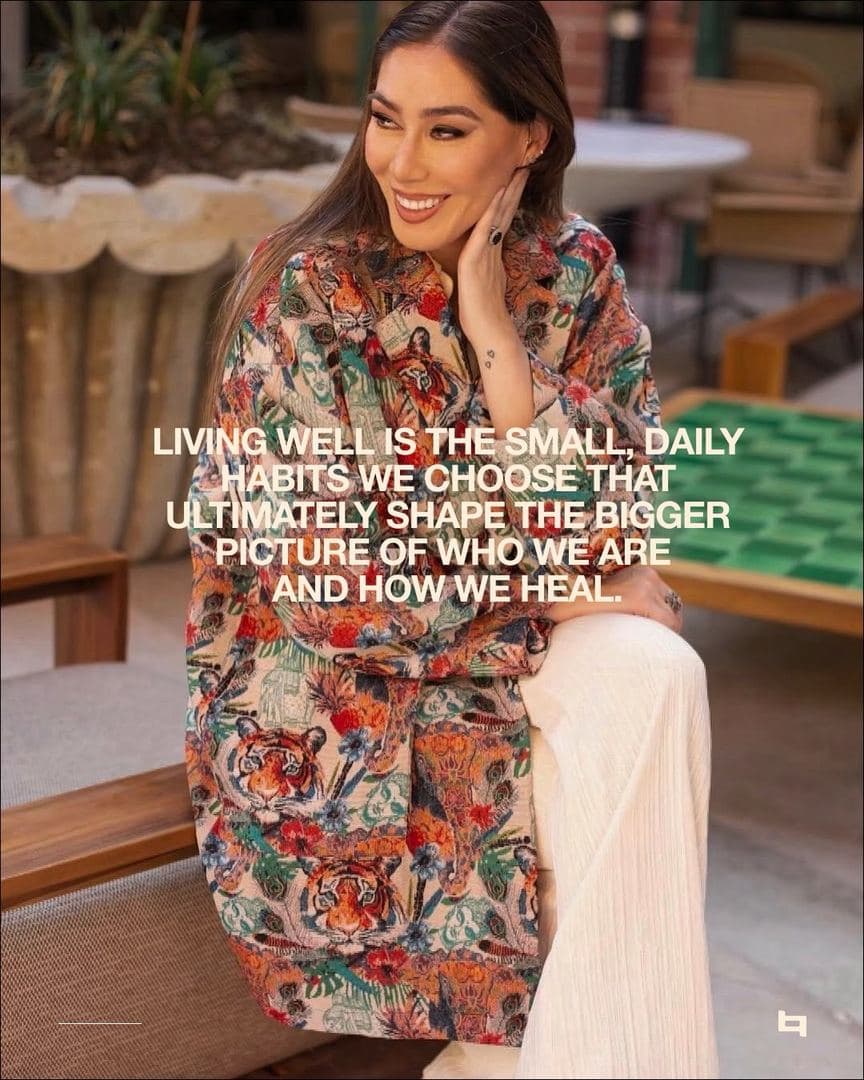
The Integration Room
Dr. Elizabeth Berrocal
Trauma-informed psychotherapist, somatic practitioner and founder of The Integration Room
Published

A series exploring the people and places behind our collaborations, shaping a more intentional way of living.
This time, we sat down with Dr. Elizabeth Berrocal, trauma-informed psychotherapist, somatic practitioner and founder of The Integration Room.
Her approach looks beyond the mind, exploring the role of the body and nervous system in how we process, heal and change. We spoke about what led her to create The Integration Room, the mind-body connection, moving beyond awareness, and her perspective on living well.
01 · The beginning
What was missing in mental health care that inspired you to create The Integration Room?
I felt like we had become very good at talking about our experiences, but not necessarily processing them, much less integrating them; mainly the active application of all we have learned.
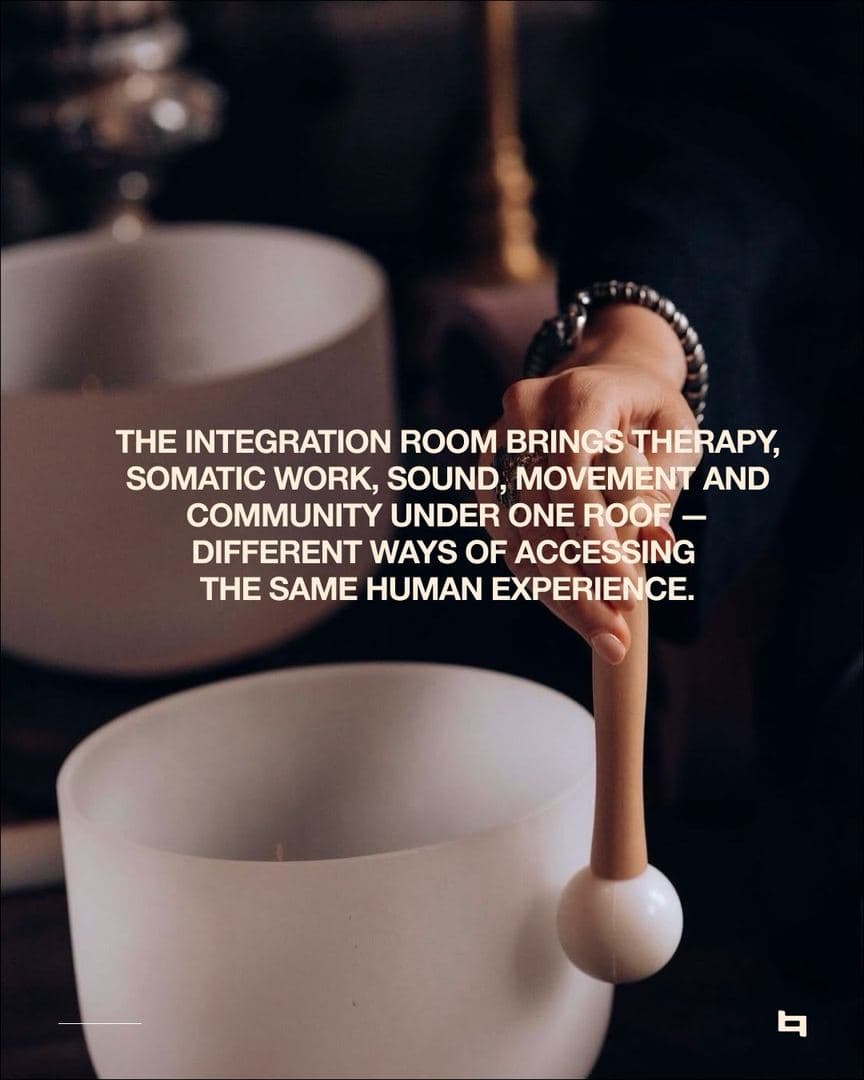
I wanted to create a space that went beyond traditional talk therapy and recognized that what happens to us doesn't just live in our thoughts. It lives in the body, in our nervous system, in our relationships and in the patterns we repeat.
Elizabeth
02 · Mind & body
What's something about the mind-body connection you wish more people understood?
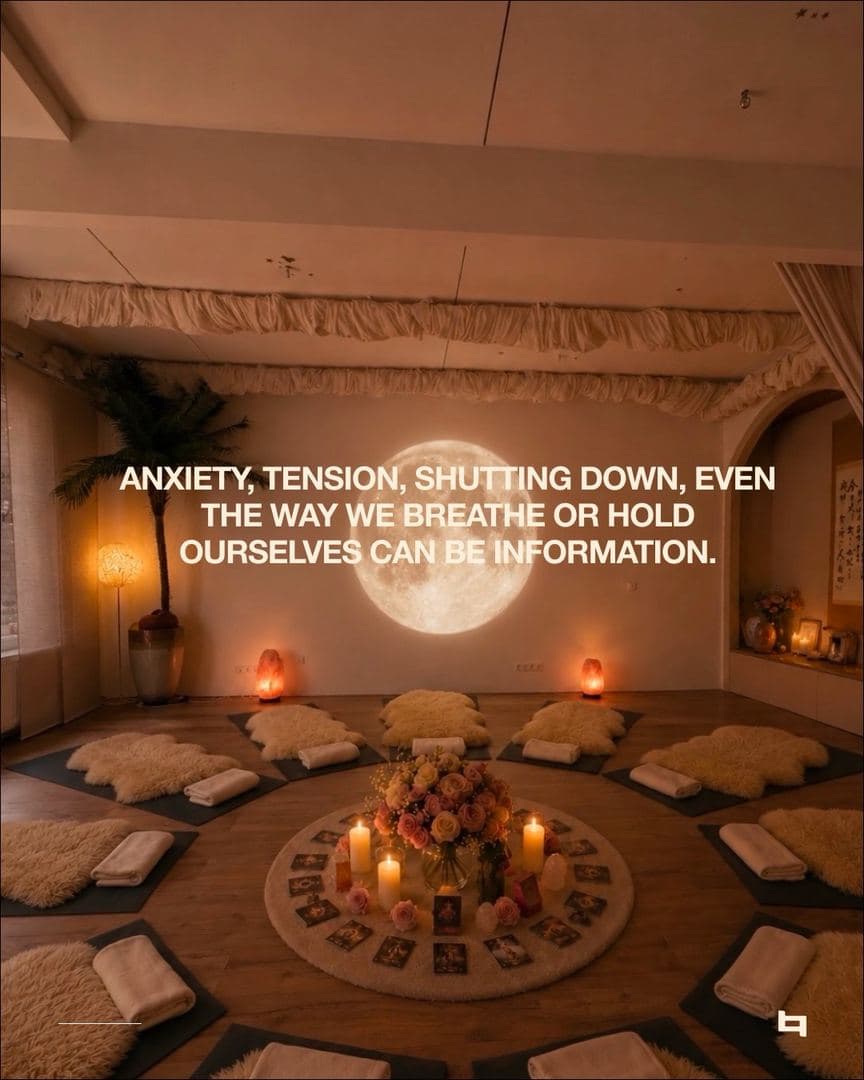
That the body is in a perpetual state of communication all the time. We tend to treat the mind as the authority and the body as something we need to control, when often the body knows something long before we have language for it.
I think healing becomes very different when we stop asking, “How do I get rid of this feeling?” and start asking, “What is my body trying to tell me?”
Elizabeth
03 · Integration
We're becoming increasingly self-aware, yet many of us still feel stuck in the same patterns. Why do you think that is?
Because awareness and integration are two completely different things. You can understand exactly why you behave a certain way and still repeat it.
Insight is important, but the nervous system doesn't necessarily change because we intellectually understand something. At some point, what we know has to become something we practice, experience and embody.
Otherwise, we can become incredibly self-aware people who are still living inside the same patterns.
Elizabeth
04 · Living well
What does living well mean to you?
Living well, to me, isn't about being regulated, happy or healed all the time. That's not real life.
It's having the capacity to move through all of it; the grief, pleasure, uncertainty, joy, discomfort, without abandoning yourself in the process.
I believe it's being present enough for your own life that you can actually experience it, rather than constantly trying to perfect it.
Elizabeth